Riding the King of the Road
Pinned snapshots, chaotic charm, and essential survival rules. Pin up your curiosity and explore the pulse of the Filipino jeepney.
History of the Jeepney
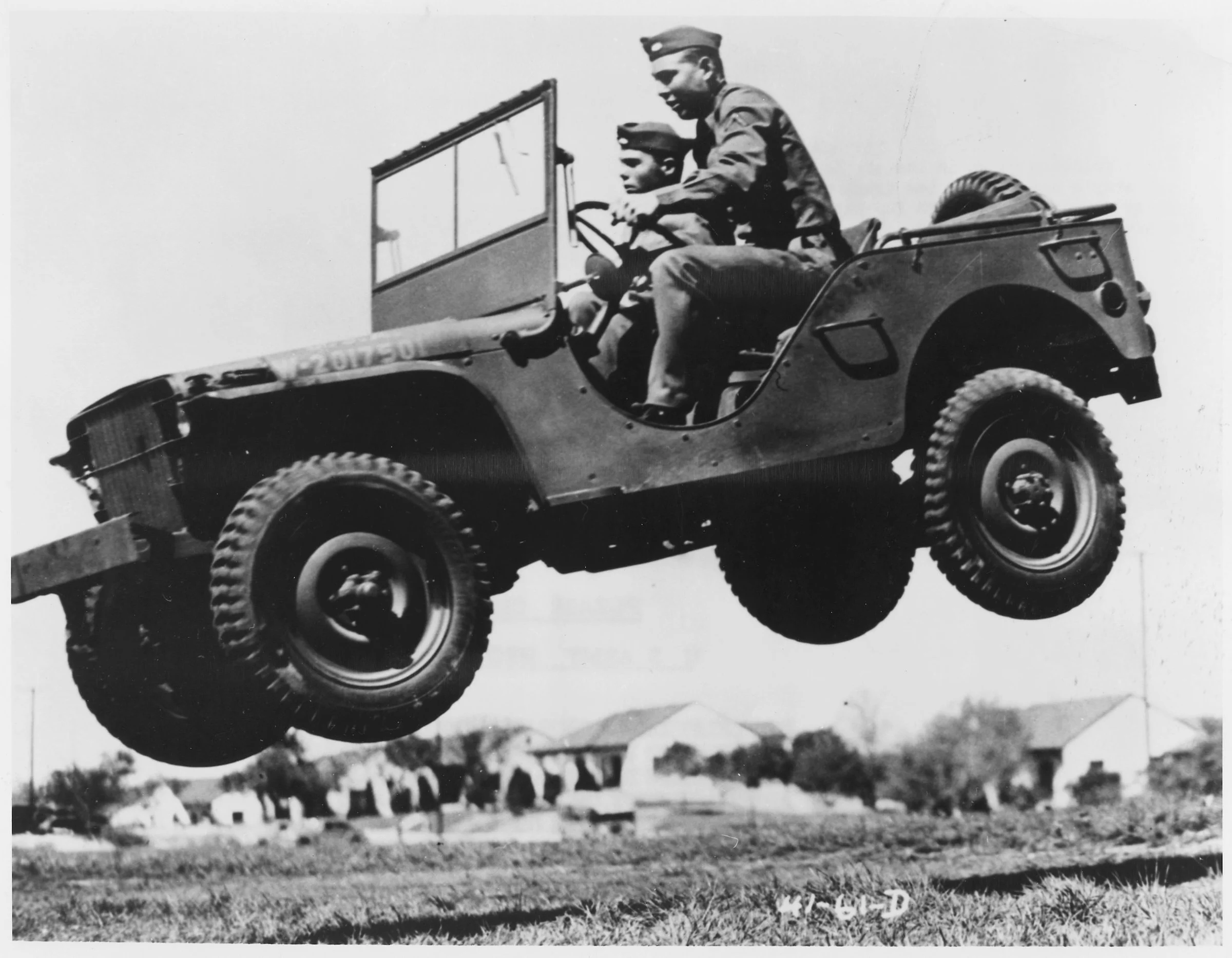
The history of the iconic jeepney bears a resemblance to that of the equally iconic Filipino dish, sisig: both were products of ingenious innovation. Just as sisig was created by making the most of cheap throw-away cuts of pigs from the US Air Base in Pampanga, the jeepney was up-cycled from leftover U.S. Willys Jeeps used during World War II.
Bugatti who?
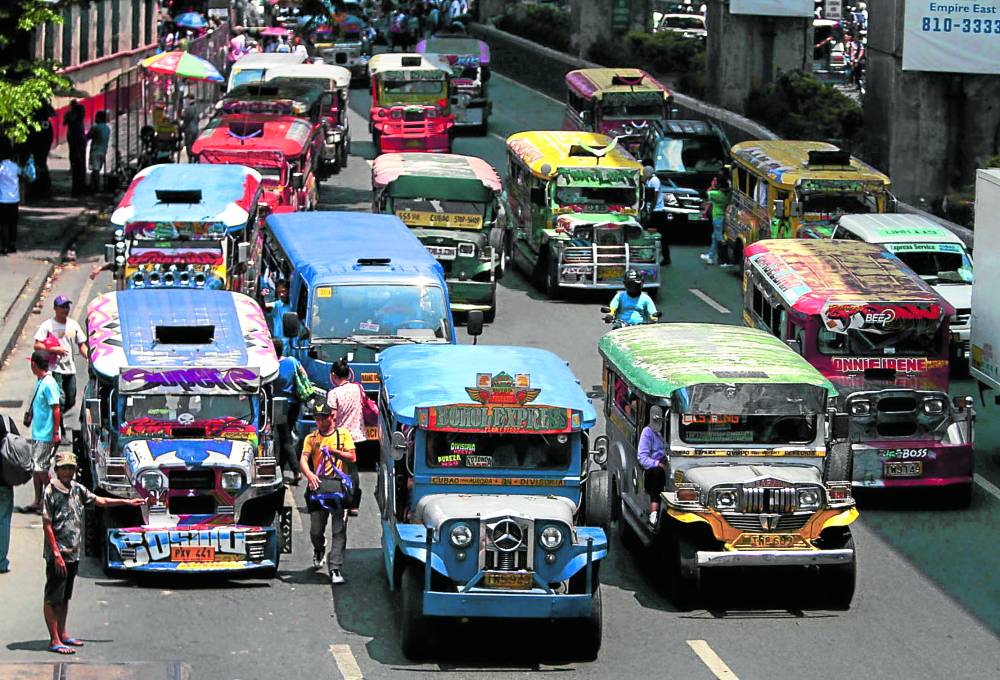
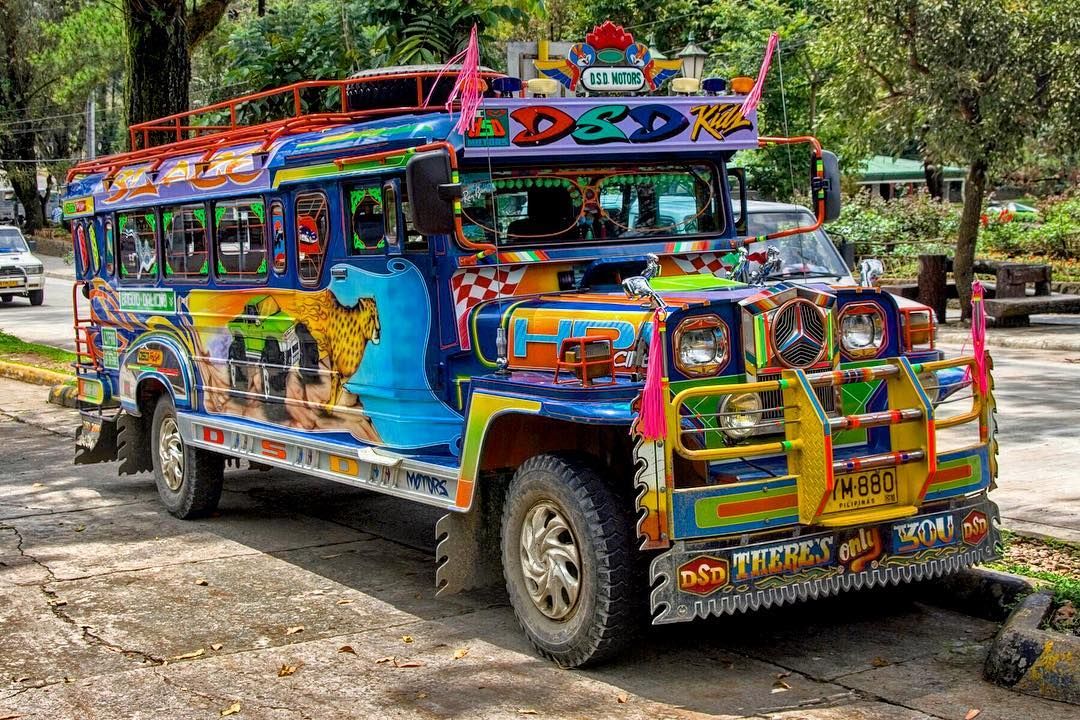
When you step out of your house, you will not see high-end Italian cars or sports cars. You will see jeepneys—every color and design unique to the driver's personal taste: bright lights, loudspeakers with full-blast bass, taking you on an unforgettable ride across the city.
Pass the Fare (Bayad Po!)
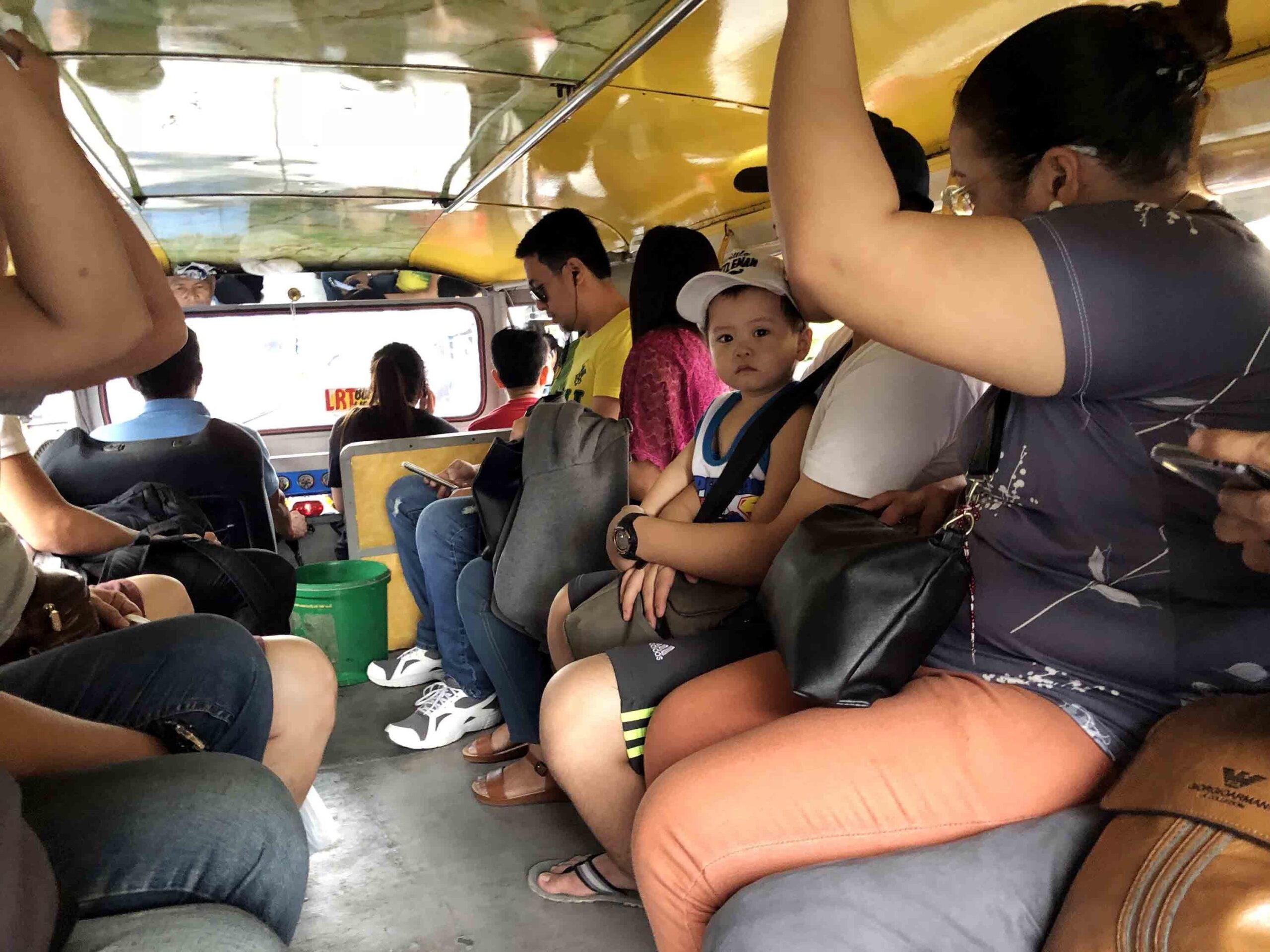
Sitting at the far back? You’ll pass your cash forward through a human chain of fellow commuters. Say 'Bayad po!' and watch complete strangers hand your money straight to the driver. To stop, say the magic words 'Para Po!'
Filipinos don't use maps
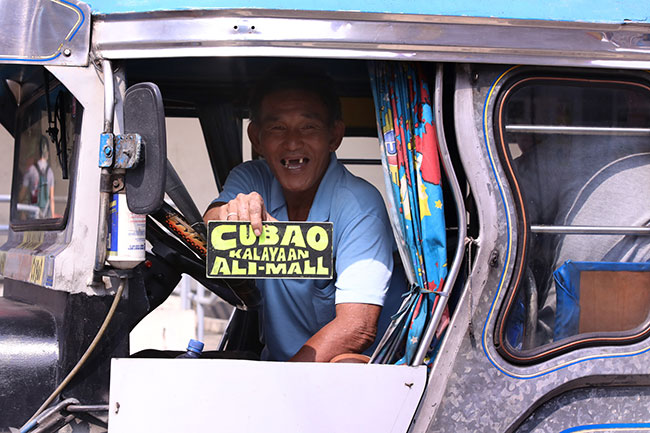
We use 'PLAKA' (signboards). Jeepney signboards list famous local landmarks rather than exact street names. Commuters quickly spot their destination or a nearby landmark printed on the windshield without needing a GPS pin.
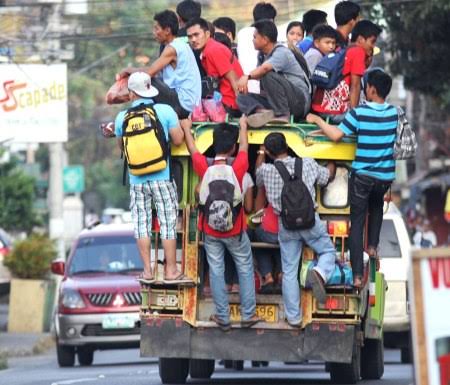
Squeeze In, There's Always Room
No matter how packed a traditional jeepney looks, there is always space for one more body. Commuters become absolute masters of geometric alignment, shuffling sideways so the driver can shout 'Siksik pa! Isang pasahero pa!'
Witnessing Generations
The jeepney is our whole life in a ride. It starts when you're a student, heart racing when your crush hops into the same jeep. Years later, it's just the commute to work, and eventually, you're paying the fare for your own family.
Essential Commuter Tips
Six quick rules for surviving (and enjoying) the jeepney.